

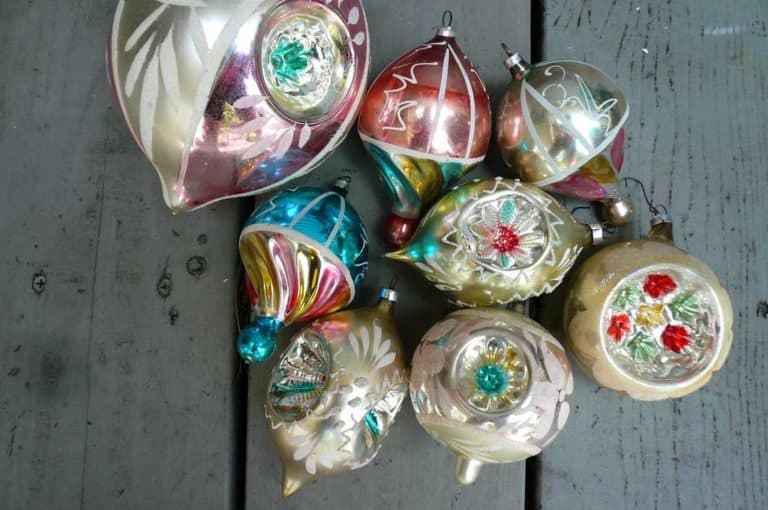

The box of vintage Christmas ornaments in your attic may be worth considerably more than you think. People have become increasingly eager to source original decorations for the festive season — and for good reason. Genuine vintage pieces carry a history and craftsmanship that mass-produced plastic ornaments simply cannot replicate. This guide covers five of the most iconic types, explains why they were made the way they were, and points you toward where to find them today.
1. German Kugels
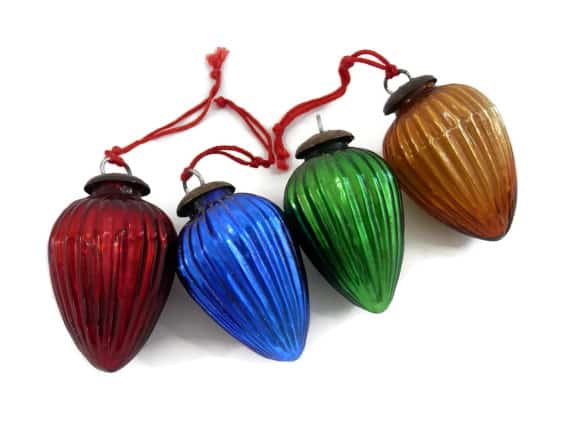
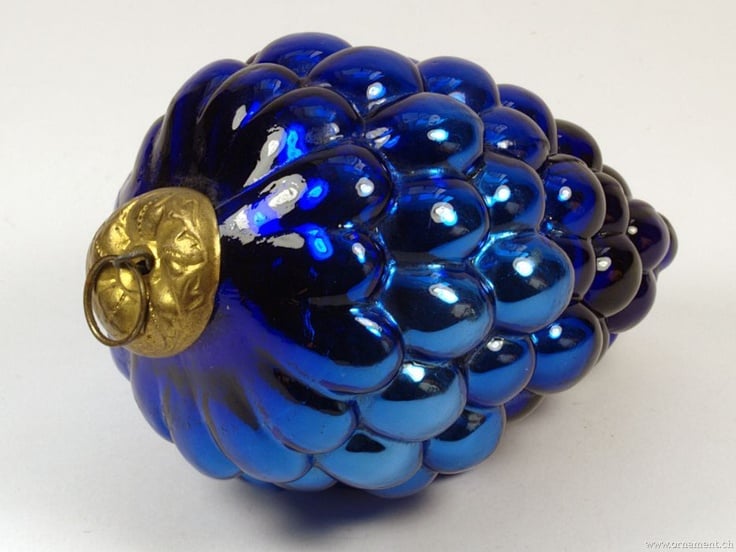
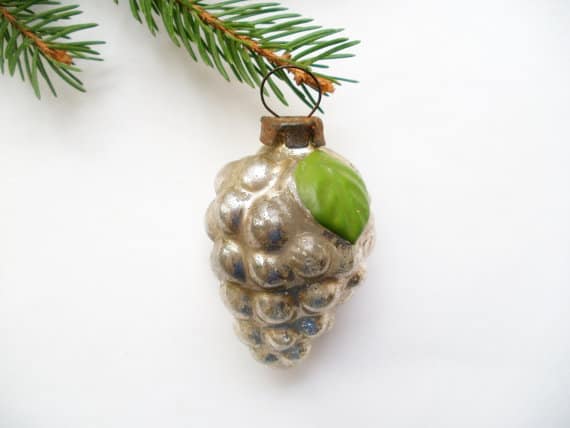
The word Kugel means “round ball” in German — though many original glass Kugels were produced in the shape of pine cones, grapes, pumpkins, and teardrops rather than spheres. They were manufactured in Germany from as early as 1840 until the early 1900s, and originals are lined with silver nitrate on the inside, giving them a distinctive weight and reflective quality. Exterior colours are typically red, green, gold, silver, and blue.
Genuine Kugels are not cheap. Because of the silver lining and the age of surviving examples, originals command serious prices — particularly in good condition. A large silver grape-shaped Kugel ornament is the kind of find that collectors plan around. If the price of an original is out of reach, jewel-tone Kugel-style ornaments make a convincing alternative. For something in between, Etsy regularly surfaces 1950s German teardrop-shaped Kugels in gold and silver at more accessible prices.
2. Ceramic Tabletop Christmas Trees
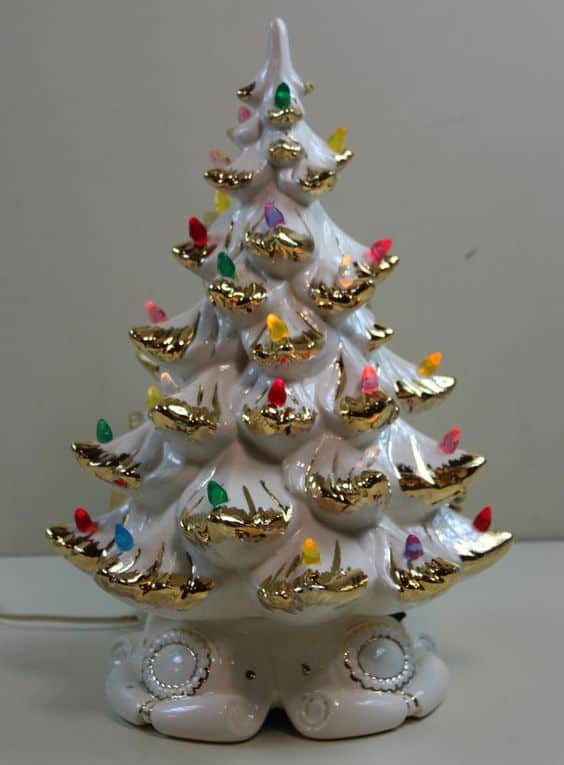
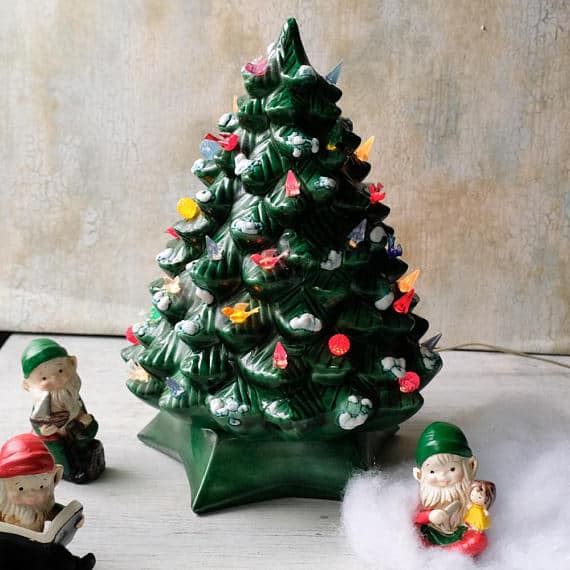
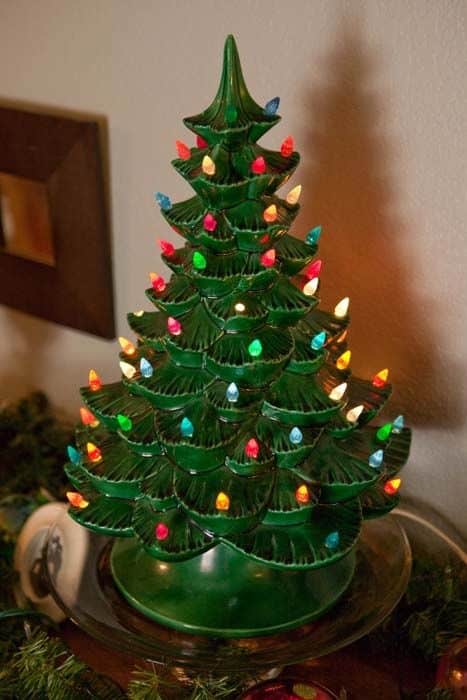
Ceramic tabletop Christmas trees had their moment in the 1960s and 70s, when they were a fixture in living rooms across North America and Europe. Available in green and white primarily, they typically came with small coloured plastic pegs that lit up from within. The combination of kitsch charm and warm light made them a household staple — and they have come back around convincingly in the current vintage revival.
Replicas are easy to find. A ceramic tabletop Christmas tree with multicoloured bulbs and a 7-pointed star topper is available on Amazon at a reasonable price. For originals from the 1960s–80s, Etsy has an impressive range — including a 14-inch ceramic light-up Christmas tree from the 1960s that is the real thing.
3. Indented Baubles
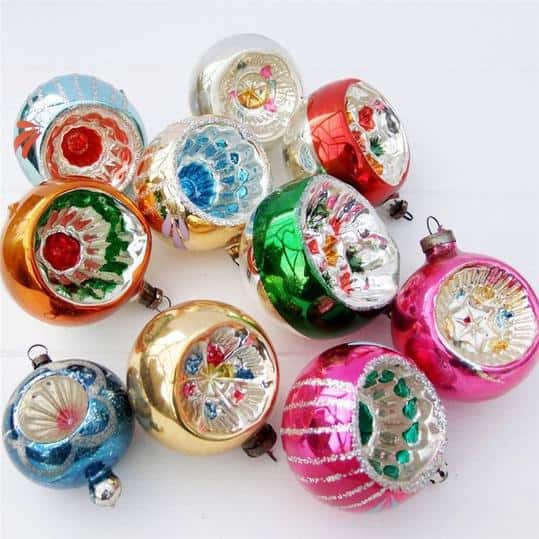
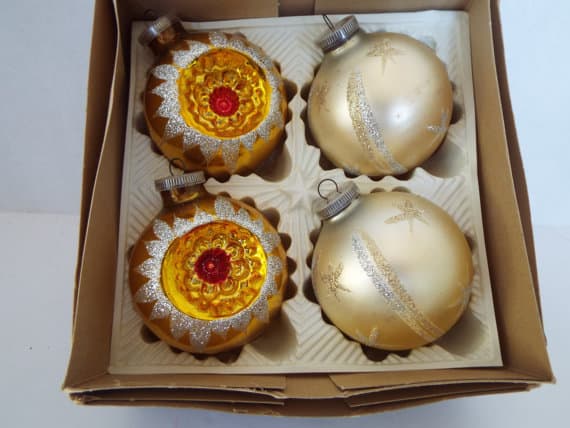
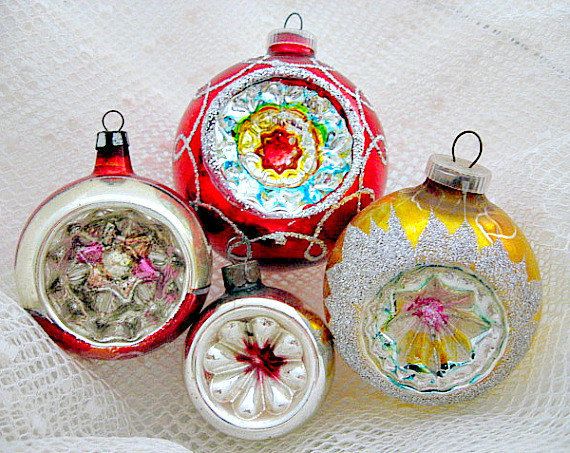
Indented baubles were designed specifically to catch and multiply candlelight on Victorian Christmas trees — the dimples in the glass surface create dozens of small reflections rather than one flat mirror. That functional ingenuity is part of what makes them still compelling today. Originals from the 1960s, 70s, and 80s turn up regularly on Etsy, including a set of glitter stripe indented reflector baubles from the 1960s and a hand-blown indented ornament from Poland — both worth looking at.
4. Paper Honeycomb Decorations
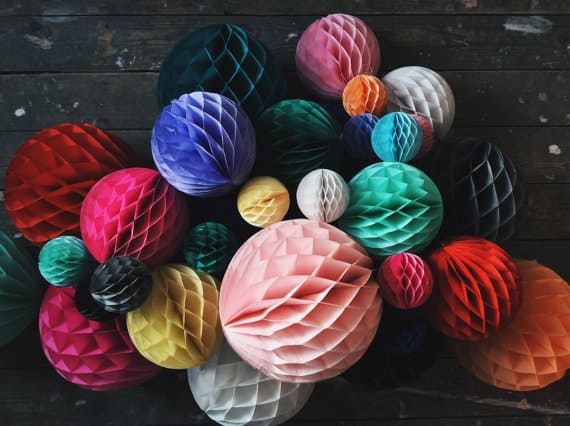
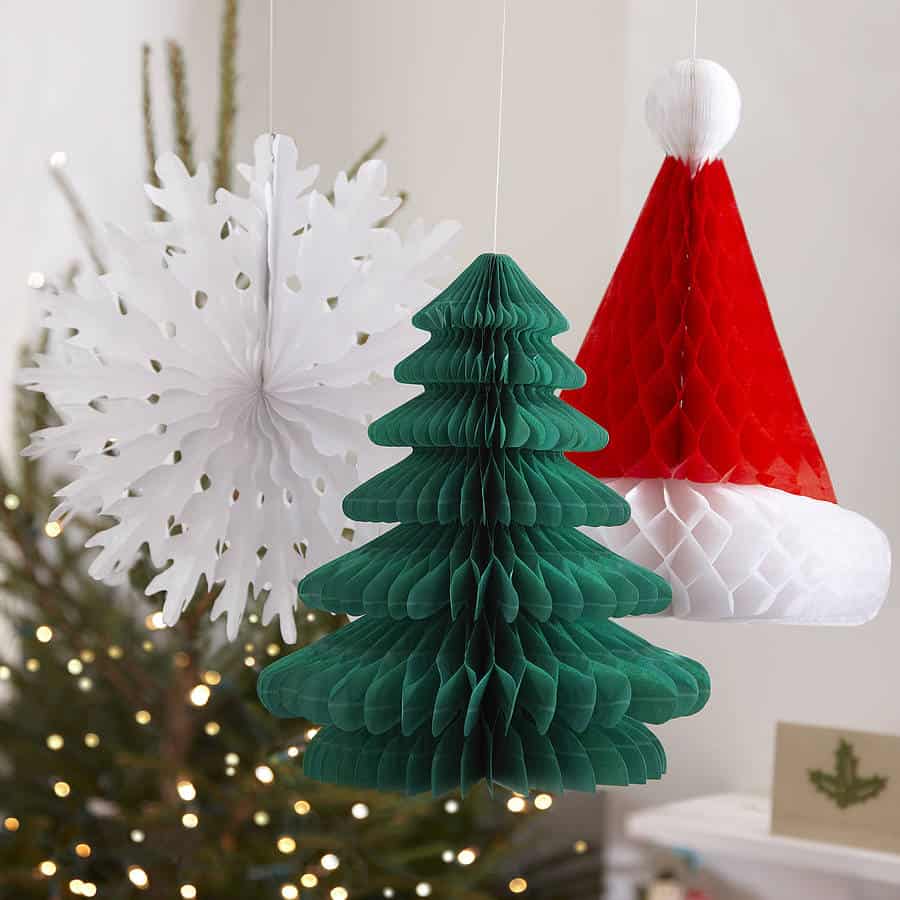
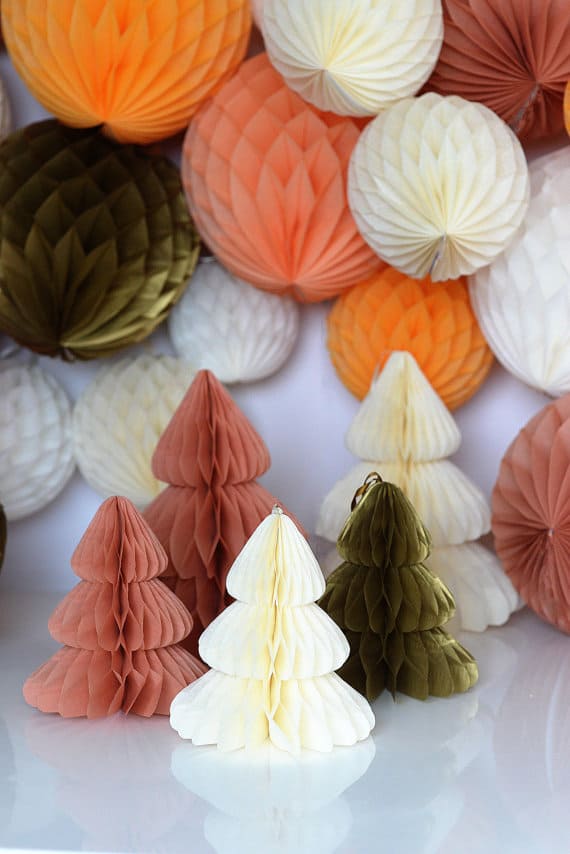
Simple, colourful, and remarkably effective — paper honeycomb decorations were a staple in homes across Europe and North America through the 1960s and 70s. They come flat-packed and open into full spheres, which made them inexpensive to produce and easy to store. Thirty years later, that practicality has not changed. Replicas are affordable and widely available: red and white honeycomb balls from Ginger Ray on Amazon are a solid contemporary option. For a broader range of sizes and colours, the Etsy vendor Forjustoneday carries an extensive selection.
5. Diorama Decorations
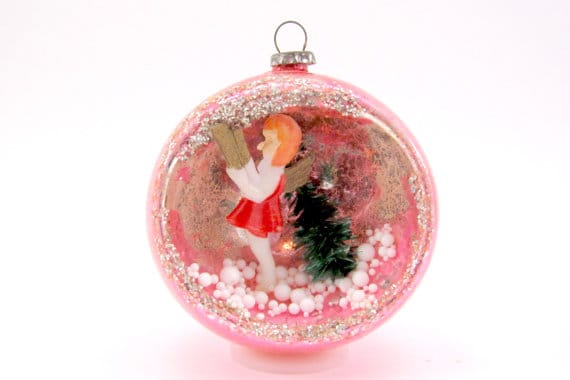
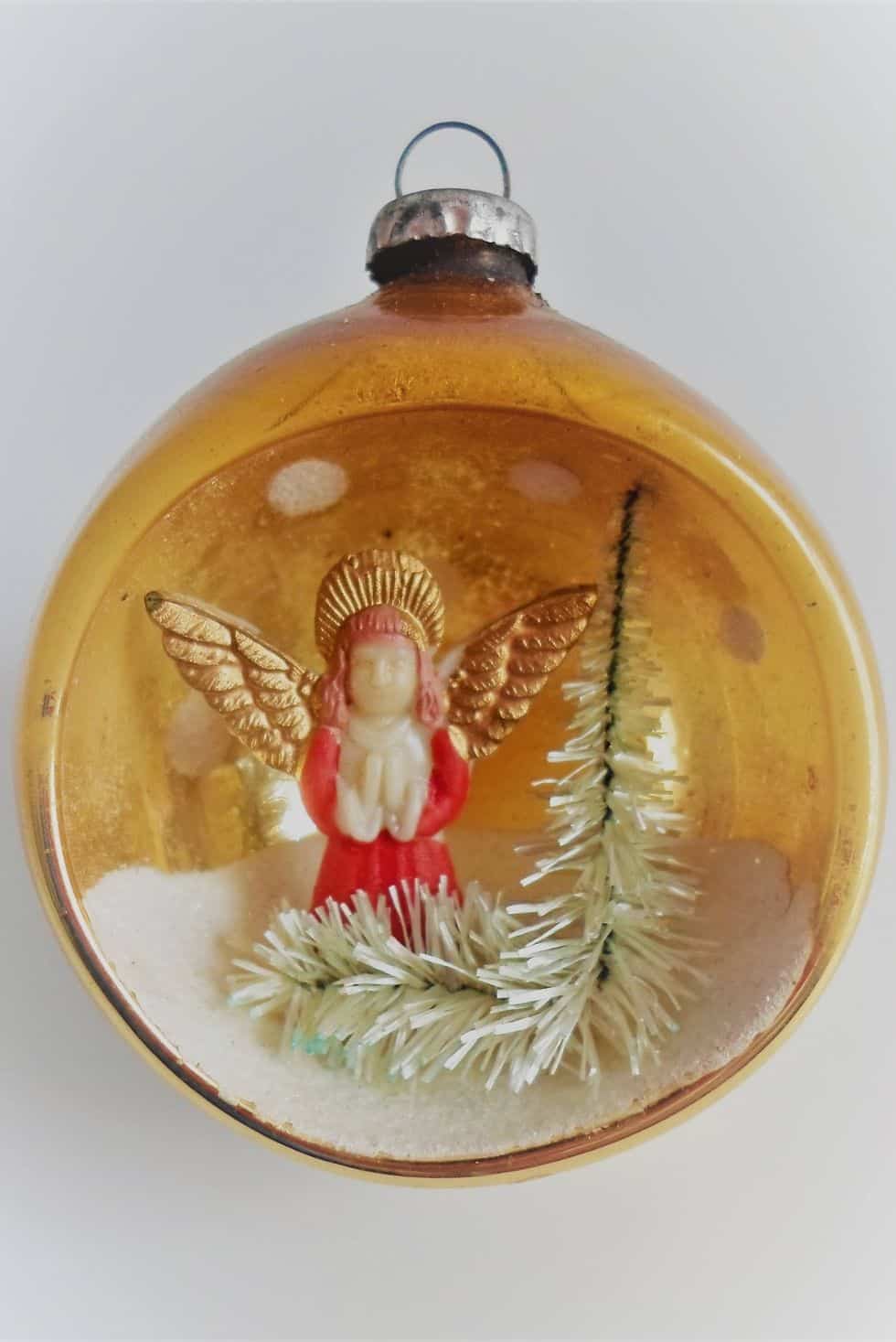
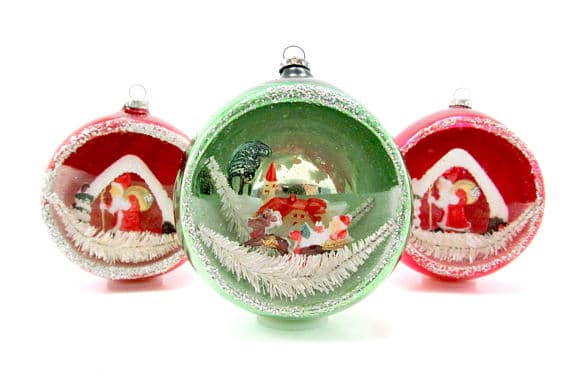
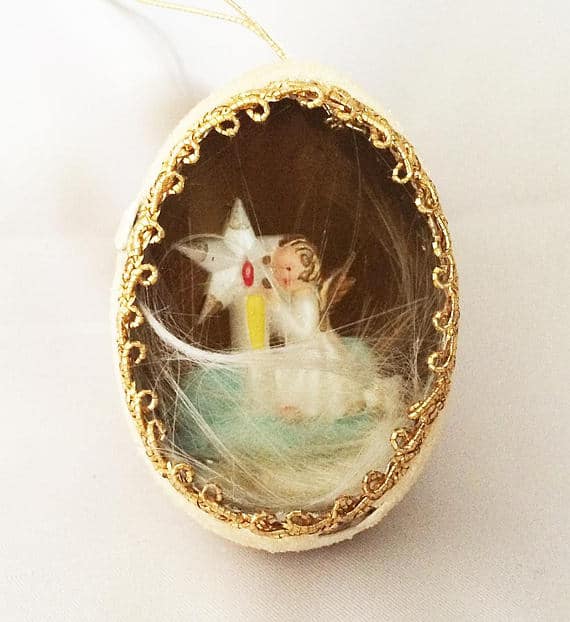
Diorama baubles started appearing in the 1950s and became particularly popular in Europe and Japan. The concept is precisely what the name suggests: a bauble — often made from a hollowed goose egg or glass sphere — that contains a complete miniature scene inside. Snowy landscapes, nativity scenes, ice-skating figures. The craftsmanship on the better examples is exceptional.
On Etsy, the range is wide. A vintage diorama angel decoration and a version featuring an ice-skating Santa are both worth looking at, as is a pink angel diorama made in Japan in the 1960s. The Etsy shop ThisThatAndChristmas carries a broad range of quirky vintage ornaments across all five categories in this guide.
FAQ: Vintage Christmas Ornaments
What are German Kugel ornaments?
Kugels are heavy glass Christmas ornaments manufactured in Germany from around 1840 to the early 1900s. The word means “ball” in German, though originals were often made in shapes including grapes, pine cones, teardrops, and pumpkins. What distinguishes them from later glass ornaments is the silver nitrate lining on the interior, which gives them a distinctive reflective quality and noticeable weight. Genuine Kugels are among the most valuable vintage Christmas ornaments, with good examples often exceeding $500 at auction.
How do I know if my Christmas baubles are vintage?
The most reliable indicators are material and weight. Pre-1950s ornaments are almost always glass rather than plastic, and feel noticeably heavier. Look for hand-painted details, a metallic interior sheen (silver nitrate lining), and metal rather than plastic hanging caps. Country of origin markings — “Made in Germany”, “Made in Japan”, “Made in Czechoslovakia” — help narrow down the period. Original cardboard boxes with period printing are a strong confirmation of age.
Where can I buy vintage Christmas ornaments online?
Etsy is the most reliable online source for vintage Christmas ornaments, with a large and well-categorised inventory across all five types in this guide. eBay is worth checking for auction listings, and completed sales are useful for understanding what pieces actually sell for — not just what sellers are asking. For higher-end pieces, 1stDibs and Chairish carry authenticated examples with full provenance details.
For more on the history and value of these pieces, see our guide to vintage Christmas decorations — what they are worth and where to find them. And if you are planning a festive gathering, our round-up of 5 retro Christmas drinks and snacks is worth a look too.