


Whether you are an antique dealer, an interior designer or a private buyer planning to upgrade your home, you will eventually face the question of shipping antiques from abroad. Travelling in a foreign country is one of the best opportunities to shop at local flea markets and antique fairs — but buying a full set of vintage Provençal bedroom furniture or a collection of 19th-century trunks raises a practical question: how do you get it home? This guide walks through the main options, the costs involved and what to watch out for before you commit to a purchase.
Choosing the Right Shipping Method
The right shipping antiques method depends primarily on the size and weight of what you have bought. For smaller items that fit in a box up to 150x150cm and weigh under 30kg, national postal services — such as La Poste/Colissimo in France — often offer surprisingly reasonable international rates. Always check this option first for smaller purchases, as it is frequently the most cost-effective.
For larger or heavier items, the options broaden considerably. Here are the main routes to consider:
- Ask the seller first. Many flea market vendors have been in business long enough to have experience with international shipping — particularly those who specialise in bulky or heavy antiques. Some larger flea markets and antique fairs also have an on-site shipping office worth checking.
- Find a customs broker or forwarder in your home country. Tell them what you are buying and ask for their advice. They may not have an office in the country where you are buying, but they usually partner with someone who handles the local collection and packing. The Antiques Diva® & Co, for instance, partners with specialist art and antique shipping companies across Europe and Asia.
- Share a container with an antique importer in your area. Find an importer whose containers regularly arrive close to your home and ask if you can share space. They will tell you when their next container is shipping and who can hold your items until then.
- Get quotes online through specialist shippers such as hedleyshumpers.com, chudleyinternational.com or shipsms.co.uk. Alternatively, uship.com lets you list your shipment and receive bids from thousands of feedback-rated carriers, many of whom fill spare cargo space at competitive rates.
Shipping Costs by Size and Weight
Shipping costs vary significantly depending on size, weight and whether you choose air or ocean freight. The figures below are approximate guides — always get a fresh quote before committing.
Items up to 270kg (600lbs): Air freight is faster but considerably more expensive. For a standard pallet-sized crate of around 250–270kg, expect to pay at least $1,000 for air transport alone — plus storage, packing and any applicable duties. Delivery typically takes 2–3 weeks. Ocean freight for the same size shipment runs roughly $600–700, again plus additional charges, but takes 6–8 weeks.
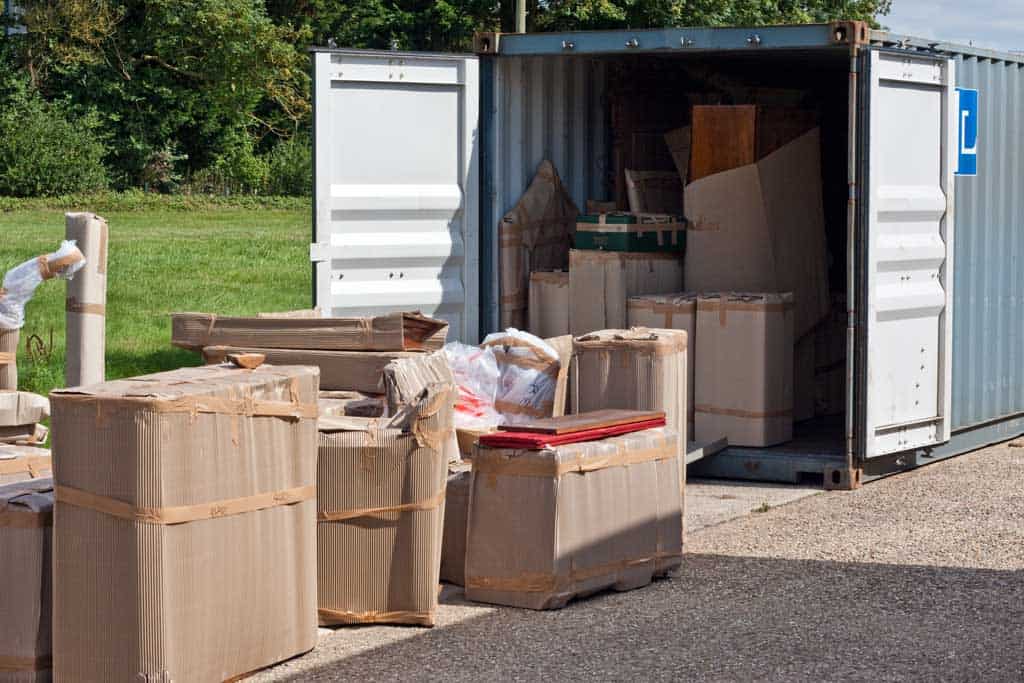
Full container loads (over 10,000kg): A full 20′ container holds up to 16,000kg of merchandise and costs approximately $6,000–7,000. Delivery runs from 3 to 12 weeks depending on origin, destination and commercial freight volumes at the time of shipment. Smaller amounts in a shared container are possible but involve more paperwork.
Save with Consolidated Shipping
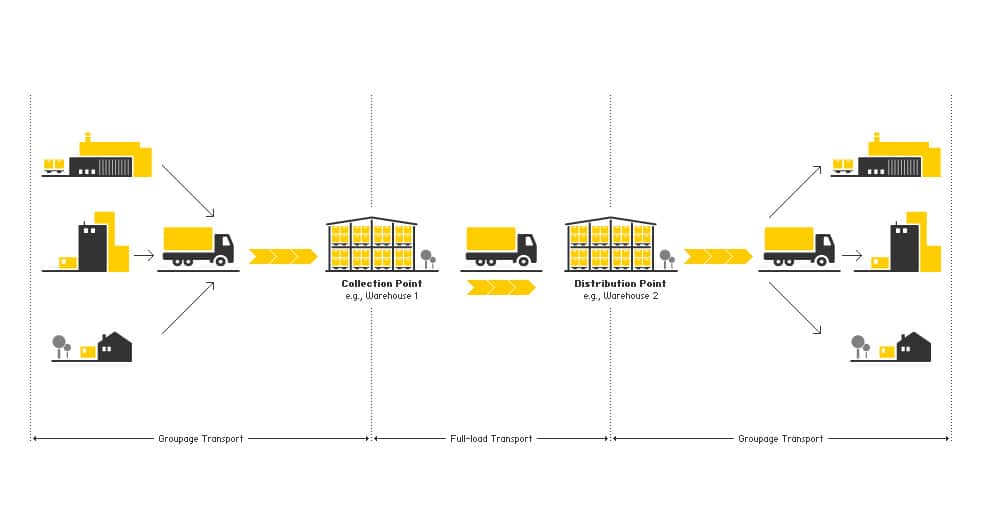
If you want to reduce your shipping antiques costs substantially, consolidated shipping (also known as groupage) is worth exploring. It works by combining multiple compatible shipments into a single truckload of cargo heading to one country or region. Because you share the space and cost, the savings can be significant compared to booking a dedicated shipment.
One platform worth knowing is Shiply,* which covers almost 100 countries and connects users with a network of over 80,000 delivery companies. The process is straightforward: complete a form with your shipment details, pick-up and delivery addresses and dates, and receive quotes from couriers within about an hour. All couriers on the platform carry feedback ratings, and most have insurance covering loss or damage up to $100,000.
We have used Shiply ourselves to move 20 crates and furniture pieces from Belgium to Austria — over 700 miles by road. Standard moving companies quoted an average of $1,500. Shiply’s couriers all came in below $600. We chose a top-rated carrier who completed the job for $400 and delivered everything in perfect condition four days after collection.
Air Freight vs Ocean Freight

Airfreight and ocean freight are the two main methods for international cargo. Both work well for shipping antiques, but the right choice depends on your priorities.
| Factor | Air Freight | Ocean Freight |
| Reliability | More reliable, shorter handling time | Less reliable, higher risk of goods damage |
| Cost | More expensive | Less costly |
| Charges calculated by | Weight | Volume |
| Speed | 2–3 weeks | 6–12 weeks |
| Accessibility | International airports — often more central | Requires transport to loading warehouse near port |
| Tracking | Provided | Provided |
In short: choose air freight if speed matters. Choose ocean freight if budget is the priority. For fragile or high-value antiques on a short timeline, air is worth the premium. For large or heavy items where a few extra weeks of wait is acceptable, ocean consolidation is almost always the better value.
Key Things to Remember
- Shipping can cost more than the item itself. Always get a shipping quote before finalising a purchase, especially for large pieces. Factor in storage, packing and duties alongside the transport cost.
- Consolidate your shipments. Rather than shipping items individually, wait and combine everything into a single shipment. It is simpler, involves less paperwork and is substantially cheaper.
- Size matters more than weight. Shippers bill on cube weight — every cubic inch costs money in air or ocean shipments. A bulky but light item can cost more to ship than a smaller, heavier one.
- Check customs rules in your home country. Import duties and taxes vary by country and by the age of the item. Research this before you buy, not after — a surprise import duty can significantly change the economics of a purchase.
- Get your items appraised before shipping. Standard shipping insurance may not cover the full value of a high-value antique. Consult a personal property appraiser and consider purchasing additional specialist antique shipping insurance.
- The longer you can wait, the cheaper it gets. Ocean freight, particularly via consolidated groupage, rewards patience. If you can wait 8–12 weeks, your costs will be significantly lower than air freight.
- International baggage rules are strict. Checking additional baggage on an international flight can be very expensive. Do not assume you can just put small items in an extra bag — check airline rules for checked baggage and fragile items before departing.
Frequently Asked Questions
What is the cheapest way to ship antiques from Europe?
For small items, the cheapest option is usually the national postal service of the country where you are buying — France’s Colissimo, for example, offers competitive international rates for packages up to 30kg. For larger items, consolidated ocean freight (groupage) is almost always the most economical method — particularly if you can share a container with an importer or use a platform like Shiply to find carriers with spare capacity. Ocean freight is slower than air but can cost 40–60% less for the same volume of goods.
Do I need to pay import duties on antiques?
It depends on the country you are importing to and the age of the item. Many countries offer reduced or zero import duty on genuine antiques (typically defined as items over 100 years old), but the rules vary significantly. In the United States, for example, antiques over 100 years old are generally duty-free. In the EU, reduced VAT rates may apply. Always research the specific rules for your destination country before buying, and consult a customs broker if the value of the purchase is significant.
What is consolidated shipping for antiques?
Consolidated shipping (or groupage) combines multiple shipments heading to the same country or region into a single container or truckload. Instead of paying for a full container yourself, you share the space — and the cost — with other shippers. It is significantly cheaper than booking a dedicated shipment and is widely used in the antique trade. Platforms like Shiply connect individual shippers with carriers who have spare capacity, often at 50–75% below standard rates.

* Shiply sponsors the outgoing links in this article but did not influence its editorial content. We only recommend services we have personally used and trust.