


The flea markets in Dubai have come a long way since the city was defined solely by its gleaming shopping malls. What began in 2007 as a single open-air market in Safa Park — launched almost against all odds by one German expatriate — has grown into a thriving scene of second-hand markets, artisan pop-ups, vintage events and community fairs spread across the city. Today, Dubai hosts some of the most dynamic and multicultural flea markets in the Middle East, and they happen almost every weekend.
Below, we cover the best options currently running — starting with the origin story that made it all possible.
How It All Started: The Woman Who Brought Flea Markets to Dubai
In 2007, Melanie Beese — a German expatriate and events organiser — did something that most people in Dubai thought was impossible. She launched an open-air flea market in Safa Park. The concept of rooting through second-hand goods was almost entirely alien in a city where designer labels were revered and mall culture was firmly entrenched. Nevertheless, she pressed on.
Getting permission was an adventure in itself. “Everybody I approached had never heard of flea markets,” she recalled. After months of submissions to the wrong departments, she finally reached the municipality, made her presentation, and in February 2008 received official approval. She had four weeks to make it happen.
That first market drew 2,500 visitors and 70 exhibitors selling clothes, shoes, books, DVDs and bric-a-brac. The community spirit was immediate. Exhibitors helped set up the tables because none were ready in time — and most didn’t care. They were too busy enjoying an atmosphere that reminded them of home.
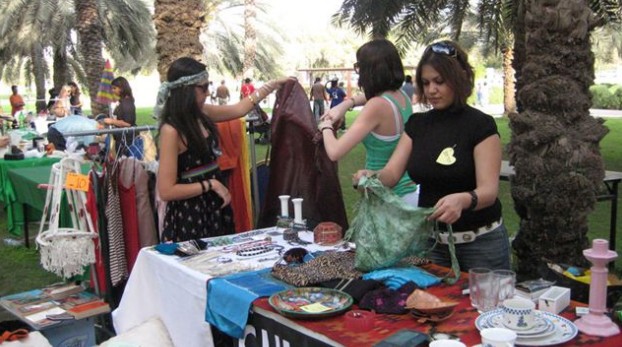
When the 2008 recession hit and Beese was made redundant from her events job, she used her settlement to turn the market into a full-time business. “Organising flea markets started as a hobby,” she said, “but then the crash came and I was one of the lucky ones.” She expanded to Sharjah and Abu Dhabi, launched the indoor Dubai Designer Market for higher-end items and never looked back.
Today, what started as just 20 stalls at Al Safa Park has grown into the UAE’s largest organised market for pre-loved items — and Beese’s original vision has inspired an entire ecosystem of markets across the city.
The Best Flea Markets in Dubai Today
1. Dubai Flea Market — Zabeel Park & Rotating Locations
The Dubai Flea Market is the UAE’s biggest second-hand market, running since 2007 and championing the concept of reusing, recycling and reducing waste by giving pre-loved items a second life. It has evolved significantly from its Safa Park origins. The market now moves to a new location every weekend — from Zabeel Park to Al Barsha Pond Park, Discovery Gardens and more.
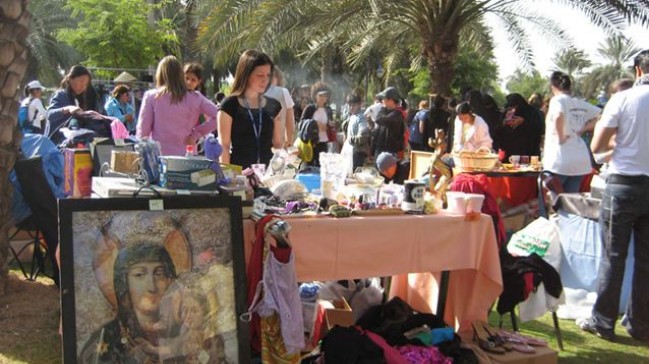
It’s the go-to spot for bargain hunters looking for pre-loved items, from vintage clothing to furniture, handmade jewellery, unique home décor, antiques, books and even secondhand electronics. The larger Zabeel Park editions regularly draw 200+ second-hand sellers and 5,000+ shoppers. Smaller pop-up editions at other venues attract around 100 sellers and 1,500 to 2,000 visitors.
A table costs AED 295 (excl. VAT) for sellers, which includes a table, two chairs, a branded tablecloth and a gazebo in cooler months. Entry for visitors is generally free, though park entrance fees apply at venues like Zabeel Park (AED 5). Experienced bargain hunters often say: “Arrive at opening if you want the best finds; stay till closing if you want the best prices.”
📍 Where: Rotating — check the official events calendar
🕐 When: Most weekends, typically 4:00pm–10:00pm (evening markets) or 8:00am–3:00pm (morning editions)
💰 Entry: Free (park entrance fee may apply)
📸 Instagram: @dubaifleamarket (77K followers)
2. Ripe Market — Artisan, Organic and Community-Driven
The Ripe Market is known as a place with a great number of artisan crafts, farm produce, handmade skincare and bohemian collections. The greatest draw is the out-of-town weekend atmosphere, live music, yoga sessions and pop-up art corners, which make it look more like a festival than a market. For this reason, it sits at the top of many visitors’ lists — not as a second-hand market, but as a community experience in its own right.
The Ripe Market runs every weekend, with the current season running from October 2025 to May 2026. Locations rotate between Dubai Police Academy Park and other venues. Additionally, every Saturday at Alserkal Avenue, Dubai’s arts district, a farmers’ market brings together organic farms and artisanal food vendors, emphasising fresh produce and sustainable living.
📍 Where: Dubai Police Academy Park and Alserkal Avenue (season-dependent)
🕐 When: Weekends, October–May
💰 Entry: Free
3. Deira Waterfront Market — Old Dubai’s Trading Heart
For a very different kind of market experience, the Deira Waterfront Market offers a window into old Dubai. It is well-known for its fresh seafood, spices and affordable local produce — while not a typical flea market, it’s a great place to buy fresh ingredients and shop for household goods at reasonable prices. Furthermore, the surrounding area — including the famous Gold Souk and Spice Souk — makes Deira one of the most rewarding neighbourhoods in Dubai for a half-day of exploring on foot.
Deira Waterfront Market is particularly recommended for old Dubai residents and tourists, and is best visited in the early morning for the freshest produce.
📍 Where: Deira, near Al Ras Metro Station
🕐 When: Daily — morning hours recommended
4. ARTE — The Makers’ Market
ARTE is one of Dubai’s most design-focused community markets, dedicated exclusively to local makers and independent creators. Markets like ARTE focus exclusively on handmade crafts, showcasing local artisans and authentic, unique products not found in regular stores. As a result, it draws a creative, design-conscious crowd and offers pieces that are genuinely one of a kind. It’s a strong choice for anyone looking for original gifts or statement home décor.
📍 Where: Various Dubai locations — check their social media for upcoming dates
💰 Entry: Free
Practical Tips for Visiting
Check the calendar before you go. Most markets in Dubai rotate locations week to week, especially the Dubai Flea Market. The official website and Instagram pages publish weekly schedules. A quick check saves a wasted journey.
Time your visit carefully. October to March is the peak season, with larger crowds and cooler weather. From April to September, markets move indoors or shift to evening hours to beat the heat. Evening markets, which typically run from 4pm to 10pm, are often the most atmospheric.
Bring cash. Most sellers prefer cash, though some now accept bank transfers or QR code payments. Small denominations are useful for negotiating — and negotiating is very much expected.

Bargain, but keep it friendly. Haggling is part of the culture at most of these markets. That said, a polite and warm approach goes further than aggressive bargaining — especially with vendors who have a personal connection to their items.
Only second-hand is allowed at the Dubai Flea Market. Only pre-loved, used or handmade items are permitted. New, mass-produced retail items are not allowed. This keeps the quality and authenticity of the market consistent.
Why Dubai’s Market Scene Has Changed
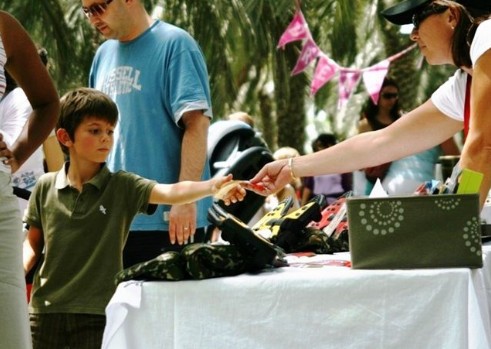
The growth of second-hand culture in Dubai reflects a broader shift in attitudes — one that Melanie Beese helped set in motion nearly two decades ago. The appeal has become universal: “Flea markets were traditionally more popular among Europeans but now people from all nationalities are embracing them,” she said. “It’s harder to convince the older generation but that’s changing slowly. Once you start thinking about your role in creating waste, you begin to see the value of second-hand shopping.”
The Dubai Flea Market has evolved into a social, cultural and environmental phenomenon in the UAE — especially at a time when conscious consumerism is reshaping habits worldwide. Every edition brings together Dubai’s multicultural population, and this diversity translates into unique items: vintage saris, German porcelain, English novels, Middle Eastern collectibles and Scandinavian furniture. Each object has a story, and each seller adds a piece of their identity to the market’s atmosphere.
Book Your Stay in Dubai
Dubai’s flea markets run on weekends — which means building a Friday-to-Sunday stay around the markets gives you the full experience. Whether you’re based in Jumeirah, Downtown or the Marina, most market locations are within a short drive. Browse the map below for accommodation options across Dubai.
Frequently Asked Questions
When do Dubai flea markets run?
Most of the flea markets in Dubai operate on weekends. The Dubai Flea Market runs almost every Saturday, rotating between parks and indoor venues. The Ripe Market operates on weekends throughout the October–May season. Evening markets typically run from 4pm to 10pm, while morning editions open around 8am. Always check the official website or social media pages before visiting, as locations change weekly.
Are flea markets in Dubai free to enter?
Most are free to enter. However, when the Dubai Flea Market is held in Zabeel Park, a park entrance fee of AED 5 applies — payable by NOL card, cash or card at the gate. Indoor editions and other park locations are generally free. The Ripe Market and ARTE are also free to visit.
When is the best time to visit?
October to March is the best period for outdoor markets — the weather is cooler, crowds are larger and the atmosphere is at its most vibrant. During the summer months (April to September), most outdoor events shift indoors or to evening hours. For the best finds, arrive at opening time. For the best prices, come in the final hour before closing.
Can I sell at the Dubai Flea Market?
Yes — anyone can register and sell at the Dubai Flea Market. A table costs AED 295 (excl. VAT) and includes a table, two chairs, a branded tablecloth and a gazebo in cooler months. Only pre-loved, used or handmade items are permitted. New commercial goods are not allowed. Bookings are made online via the official website, and you’ll need to submit a photo of your items for approval before confirming.
Is bargaining expected?
Yes — haggling is part of the culture at most markets in Dubai, including the Dubai Flea Market. A friendly, conversational approach works best. Many vendors have a personal connection to the items they sell, so showing genuine interest in a piece before negotiating often leads to better results than going straight to a lower offer.